Finding the Right Richmond Concrete Contractor for Professional Concrete Work
Finding the Right Richmond Concrete Contractor for Professional Concrete Work
Blog Article
Experienced Concrete Contractor for Fortified and Reliable Structures
Choosing a professional concrete contractor greatly impacts the strength and longevity of any edifice. Their expertise guarantees that ground conditions are accurately evaluated and superior materials are selected. Additionally, they adhere to industry standards, which is critical for structural longevity. As challenges arise, these builders competently handle construction initiatives, minimizing potential errors. Grasping the entire breadth of their competencies can disclose important insights into the building methodology and its consequences for future work.
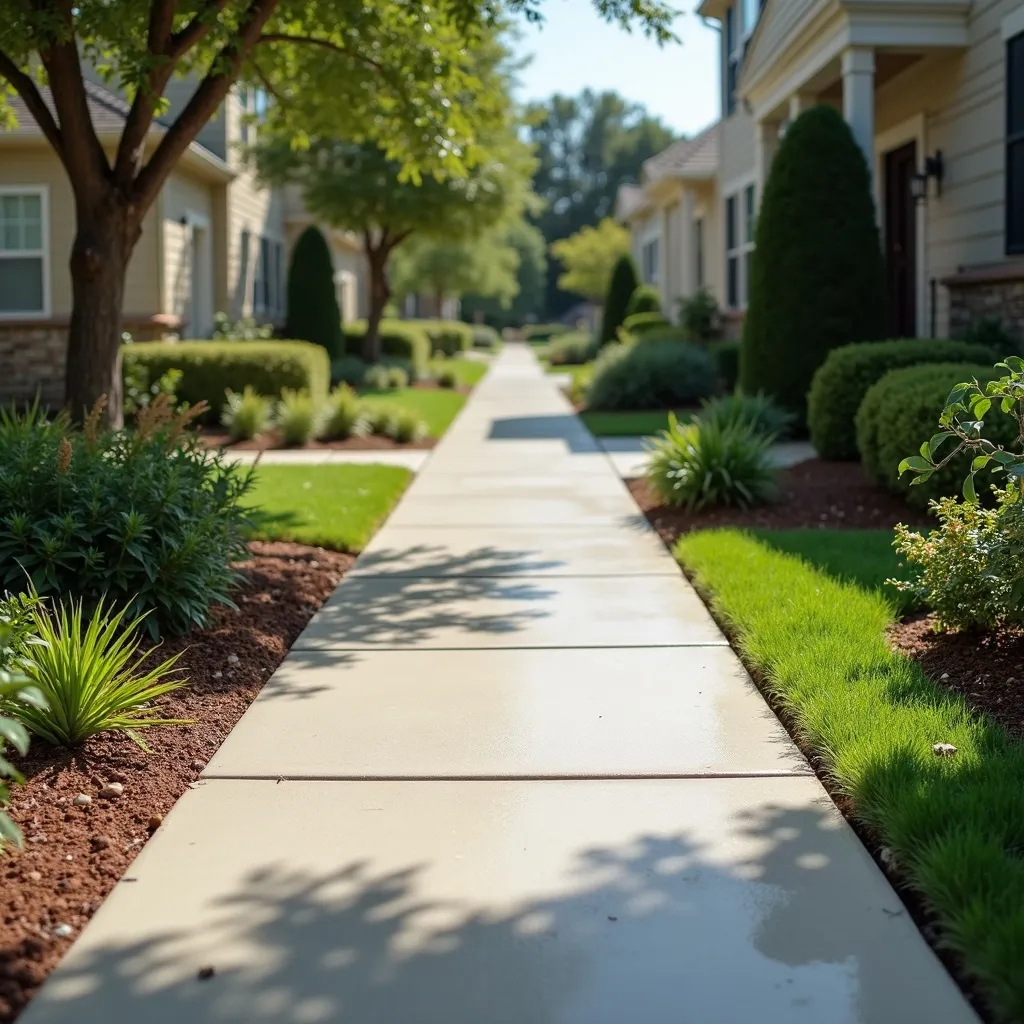
Why Choose a Professional Concrete Contractor?
Why should one consider retaining a professional concrete contractor? Employing a professional ensures that the project follows industry standards and regulations. A skilled contractor brings expertise in assessing site conditions, picking appropriate materials, and employing effective techniques for ideal results. Their experience helps in identifying potential challenges early, thereby preventing costly mistakes.
In addition, certified contractors have use of high-grade tools and equipment, which may not be readily accessible to DIY enthusiasts. This access can markedly improve the standard and durability of the finished product. Furthermore, hiring a contractor often includes warranties on workmanship, offering reassurance for the client.
Finally, a professional contractor can manage time efficiently, guaranteeing that the project is completed within the specified deadline, allowing the client to focus on other priorities while the work is underway. Overall, engaging a professional concrete contractor is a smart financial decision for any building project.
Key Strengths of Hiring a Qualified Concrete Contractor
Engaging a experienced concrete professional provides superior craftsmanship but also delivers multiple advantages that can substantially influence the outcome of a undertaking. First, these specialists demonstrate broad knowledge and skill, which permits them to navigate challenges effectively and execute plans accurately. Their understanding of regional codes certifies adherence, minimizing the risk of costly fines or project delays.
Additionally, qualified professionals secure superior-grade materials and next-generation tools, generating a reinforced finish. They also offer rigorous project supervision, aligning timelines and resources proficiently, which promotes keeping within budget constraints.
Moreover, contracting a professional minimizes the risk of errors, which can cause expensive maintenance in the future. Finally, their warranties deliver peace of mind, assuring clients that any issues will be addressed quickly. Overall, retaining a professional concrete contractor boosts the strength and lifespan of concrete structures, making it a sound commitment.
Learning About Distinct Types of Concrete Works
Concrete projects range considerably, encompassing a collection of implementations fitting for different requirements. From residential installations including driveways and patios to commercial services for retail spaces and warehouses, all types call for specialized expertise. Likewise, decorative concrete choices offer aesthetic upgrades that can modify any area, displaying the adaptability of this substance.
Residential Concrete Projects
A range of home concrete solutions can transform a home's inside and outside spaces, boosting both detailed article practical use and visual appeal. Common applications encompass driveways, patios, sidewalks, and foundations, which provide durability and a polished appearance. Ornamental concrete options, such as stamped and stained surfaces, bring personality to outdoor areas, while concrete countertops and floors offer a modern touch indoors. The versatility of concrete enables for various finishes and designs, catering to individual tastes and architectural styles. Additionally, concrete's low maintenance requirements make it an attractive option for homeowners seeking longevity. Whether for structural integrity or visual appeal, residential concrete applications play an essential role in creating inviting and practical living environments.
Commercial Concrete Services
Transforming commercial spaces, a professional concrete contractor delivers tailored solutions that meet the unique demands of various projects. From office buildings to retail centers, these contractors excel in a range of concrete applications, ensuring durability and functionality. Key projects often include foundations, parking lots, and walkways, designed to handle heavy traffic and environmental conditions. Additionally, contractors apply high-strength concrete mixes to boost longevity and maintain structural integrity. The use of innovative techniques, such as reinforced concrete and pre-stressed elements, further addresses distinct project requirements. By collaborating intimately with architects and engineers, professional concrete contractors ensure that each commercial project is completed on time and within budget, providing reliable infrastructures that businesses can depend on for years to come.
Decorative Concrete Options
A variety of decorative concrete solutions introduce inventive techniques for boosting visual quality while keeping functionality intact. Approaches including stamped concrete facilitate pattern development that replicate organic materials such as stone or wood, delivering an engaging surface. Moreover, ornamental overlays can restore current concrete by introducing color and artistic elements, transforming aged surfaces into fresh-looking ones. Coloring stands as also a sought-after choice, facilitating a vast selection of color variations that can achieve a striking, dynamic aesthetic. Visible aggregate surfaces highlight the charm of aggregate particles integrated into the concrete, producing a resilient finish fitting for outdoor environments. These decorative solutions not only amplify the visual character of concrete works but also assure resilience and longevity in diverse contexts.
Competencies and Techniques of Professional Concrete Contractors
Superior concrete specialists have a unique collection of abilities and methods that distinguish them in the industry. Expert knowledge of essential mixing techniques guarantees ideal durability and strength in every project, while precision finishing methods produce polished, expert-level finishes. In unison, these competencies contribute to the total lifespan and excellence of concrete work.
Fundamental Combining Strategies
Mastering core mixing techniques is important for any concrete contractor looking to provide superior results. The foundation of a reliable concrete mix lies in the correct ratio of cement, sand, gravel, and water. Skilled contractors recognize that precise measurements are key; even small deviations may create structural weaknesses. Moreover, the mixing process itself demands careful focus. A consistent, homogeneous mixture enhances the final product's strength and durability. Using suitable mixing equipment, whether a hand mixer or a concrete truck, assures efficiency and uniformity. Furthermore, external conditions, like temperature and humidity, can influence the mixing process, necessitating adjustments to sustain ideal conditions. Overall, efficient mixing techniques have a direct effect on the longevity and resilience of concrete structures.
Meticulous Finishing Systems
To achieve a flawless finish, concrete contractors must apply detailed finishing techniques that boost both appearance and durability. Techniques such as floating, edging, and brooming are vital for achieving the desired surface texture. Troweling uses a flat tool to smooth the surface, while edging forms clean borders. Broom finishes add traction, making surfaces safer. Additional methods, like stamping, allow for decorative patterns that mimic natural materials, providing visual appeal. Curing methods are also used by contractors to support moisture retention, which boosts strength and longevity. Each technique demands skill and attention to detail, showing the contractor's expertise. Ultimately, these accurate finishing methods are vital to the quality and functionality of concrete structures.
Selecting the Right Contractor?
How might one determine the ideal concrete contractor for a assignment? The procedure commences with detailed investigation. Prospective clients must seek out contractors with excellent standings, verified through digital feedback and customer testimonials. It is suggested to check for appropriate licenses and protection, providing compliance with jurisdiction standards and protection from liability concerns.
Then, procuring multiple quotes can furnish knowledge of pricing and scope of work. However, the lowest bid is not always the best; standards and experience should also be reviewed. Meeting potential contractors in person allows clients to assess communication skills and professionalism, which are vital for a joint relationship.
Furthermore, asking for references from past projects can demonstrate the contractor's workmanship and dependability. Finally, understanding the timeline and anticipated outcomes will ensure coordination, ultimately leading to a successful concrete project. Choosing the appropriate contractor is crucial for achieving strong and durable structures.
The Economic Benefits of Superior Cement
Identifying the appropriate cement expert establishes the foundation not just for a successful project but also for long-term economic benefits. Quality concrete, when used in construction, reduces the risk of future repairs and replacements. Inferior materials may lead to cracks, deterioration, or structural failures, resulting in costly renovations down the line. An experienced professional understands the importance of using high-grade materials and correct blending methods, guaranteeing strength and longevity.
Putting resources into quality concrete is an economical option over time. It lengthens the lifespan of structures, cutting down maintenance costs and widening intervals between repairs. Additionally, skillfully completed concrete work can enhance energy efficiency, as it better withstands environmental stresses. Clients often do not realize the financial benefits of quality concrete, but selecting a reliable contractor not only ensures a durable structure but also brings about substantial savings on future expenses. Therefore, the choice to prioritize quality is advantageous in both the short and long term.
Common Inquired Questions
How Much Time Does it Take to Finish a Typical Concrete Project?
A standard concrete project timeframe varies, generally taking spanning one to three weeks. Elements affecting this schedule include scope of work, climatic factors, and hardening period, all of which can significantly impact completion.
What Permits Are Required for Concrete Building Initiatives?
Construction permits are generally required for concrete construction projects, such as building permits, zoning permits, and environmental reviews. Specific prerequisites may vary by region, requiring consultation with local authorities to ensure adherence to regulations and standards.
What eco-friendly concrete options are accessible?
Yes, sustainable concrete solutions exist, including recycled aggregates, fly ash, and hempcrete. These alternatives lower environmental damage, boost sustainability, and can support green construction practices while keeping structural soundness and performance.
What Maintenance Is Needed for Concrete Structures?
Ongoing maintenance for concrete structures entails closing gaps, maintaining surfaces, applying protective coatings, and ensuring proper drainage. Continuous inspections allow spotting issues early, extending the lifespan and protecting the structural durability of the concrete.
How Do Weather Conditions Impact Concrete Curing?
Concrete hardening is greatly affected by weather circumstances. High heat can produce rapid moisture loss, creating cracks, while cool weather impedes curing, threatening inadequate durability. Ambient humidity also controls moisture preservation, vital for ideal curing operations.
Report this page